

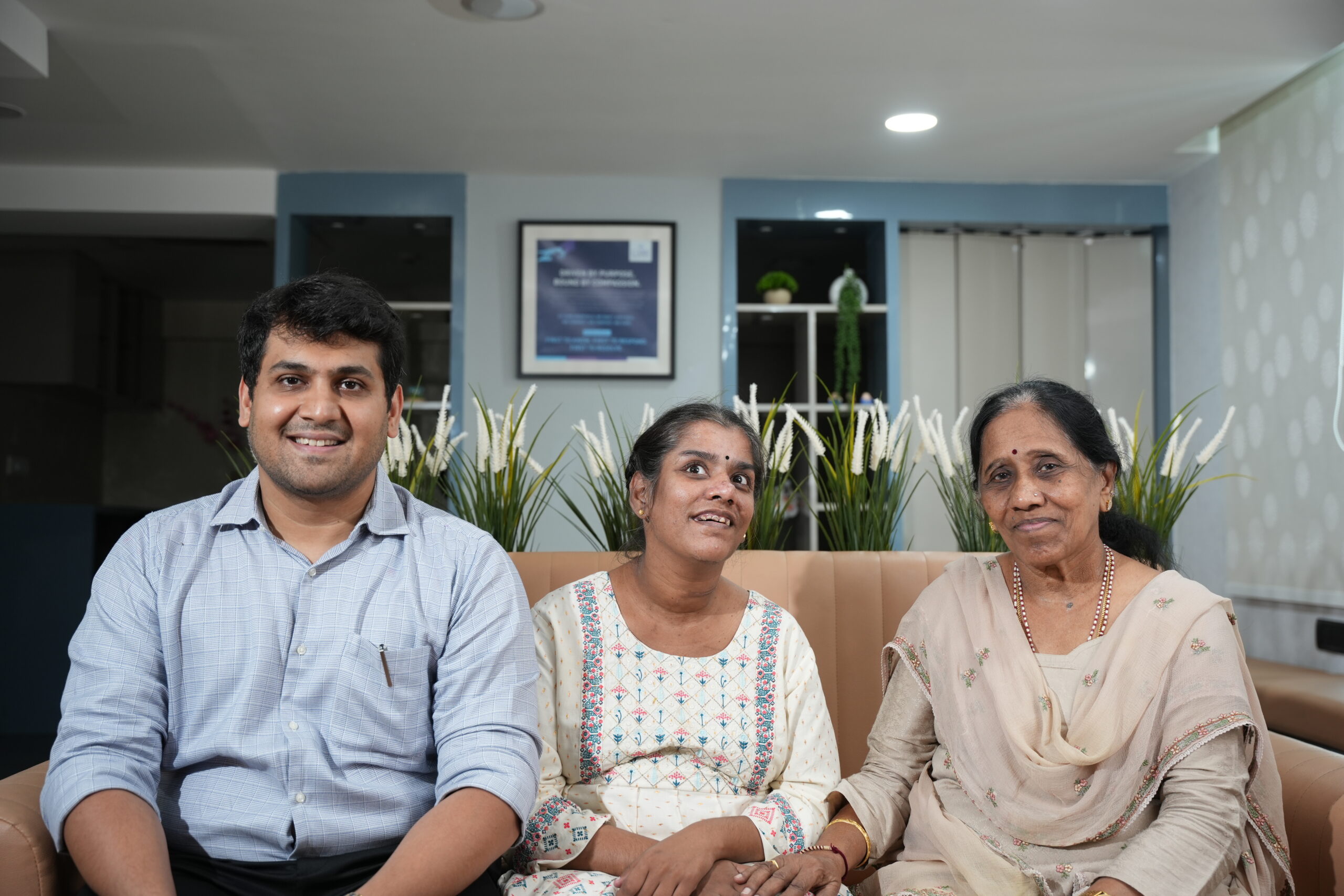
Hyderabad, August 1, 2026: CARE Hospitals, Banjara Hills, has successfully treated a 34-year-old woman from Warangal suffering from complex drug-resistant epilepsy using Vagus Nerve Stimulation (VNS) therapy, the hospital said on Saturday. The patient, Pratima, had experienced almost daily seizures since childhood, leading to cognitive decline, behavioural disturbances, and complete dependence on her family.
According to CARE Hospitals, nearly one in three epilepsy patients continue to have seizures despite appropriate anti-seizure medications and are classified as having drug-resistant epilepsy. While some benefit from epilepsy surgery, others require advanced therapies such as VNS when surgery is not feasible.
Comprehensive evaluation and treatment
Pratima’s neurological evaluation revealed her epilepsy was caused by a remote hypoxic brain injury in childhood, resulting in bilateral parieto-occipital gliosis. Despite multiple anti-seizure medications, her seizures remained uncontrolled. The multidisciplinary epilepsy team at CARE Hospitals conducted advanced neuroimaging and prolonged evaluation, identifying multiple seizure foci that made conventional epilepsy surgery unsuitable.
Optimisation of her anti-seizure medications led to a nearly 90% reduction in seizure frequency. However, persistent focal seizures prompted doctors to recommend VNS therapy, an FDA-approved, minimally invasive treatment for patients with drug-resistant epilepsy who are not candidates for resective brain surgery.
Successful VNS procedure and patient outcome
The VNS device was implanted without complications. Following device programming and optimisation, Pratima experienced significant control of her remaining seizures, with marked improvements in cognition, behaviour, and overall quality of life. She has regained independence and now actively participates in daily activities, reducing the caregiving burden on her family.
Expert and hospital leadership comments
Dr. Shashank Jaiswal, Consultant – Epilepsy & Neurology, CARE Hospitals, Banjara Hills, Hyderabad, said the case highlights the importance of individualised treatment plans, multidisciplinary care, and advanced therapies for managing complex epilepsy. “Following VNS therapy, she experienced remarkable improvement in seizure control, cognition, behaviour, independence and overall quality of life,” Dr. Jaiswal said.
Abhinav Joshi, Hospital Chief Operating Officer at CARE Hospitals, Banjara Hills, stated that the outcome reflects the hospital’s commitment to advanced neuroscience care and patient-centred treatment. He noted that the Comprehensive Epilepsy Program at CARE Hospitals offers advanced therapies such as VNS for patients with difficult-to-treat epilepsy.
Advice for epilepsy patients
Doctors at CARE Hospitals advised that patients who continue to experience seizures after trying two appropriate anti-seizure medications should seek evaluation at a specialised epilepsy centre. Early assessment can help identify advanced treatment options such as epilepsy surgery or VNS, potentially improving seizure control and long-term quality of life.
Disclaimer: This article is based on a press release provided by the concerned organisation and has been edited for style and clarity with the assistance of AI tools. BusinessFortnight does not verify, endorse, or take responsibility for the claims, figures, or statements made in the original release.

