

Hyderabad, October 10, 2026: The BioAgri Input Producers Association (BIPA), the world’s oldest trade body for agricultural biologicals, has proposed the development of a White Paper and a National Policy Framework aimed at integrating biological inputs with chemical fertilisers and pesticides in India. The association estimates that such integration could result in annual savings of ₹40,000 crore by reducing chemical input use by 25% in a phased manner.
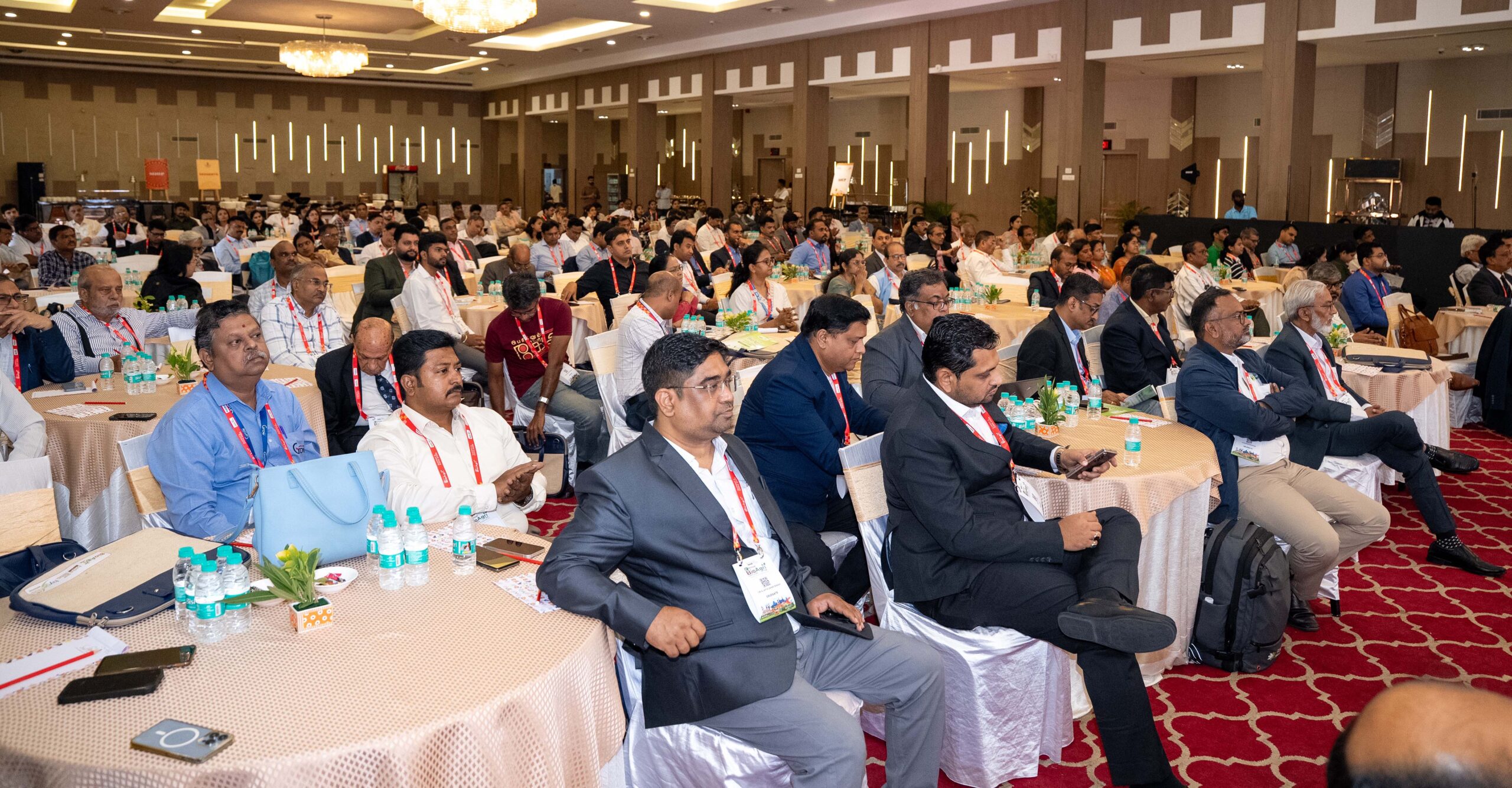
BIPA announced its plans following the conclusion of the 6th Annual BioAgri Industry Summit – BIOAGRI 2026, which was held at Ramoji Film City, Hyderabad. The proposed White Paper, titled “Integrating Biologicals into the Framework of Chemical Fertilisers and Pesticides,” will outline a roadmap for mainstreaming biological solutions in Indian agriculture, drawing on scientific research, industry experience, and stakeholder consultations.
Policy framework and stakeholder engagement
The association intends to initiate discussions with the government, industry, research institutions, and academia to develop a National Policy on Biological Input Integration. This policy would address scientific protocols, research, innovation, responsible adoption, and regulatory frameworks for biological inputs. BIPA highlighted that the integration aims to reduce dependence on chemical inputs, lower farm input costs, improve soil health, moderate fertiliser subsidy expenditure, reduce import dependence, and enhance the competitiveness of Indian agricultural exports.
BIOAGRI 2026 summit highlights
BIOAGRI 2026, themed “Biological Intelligence & Smart Agriculture,” featured participation from 30 speakers and 36 exhibitors, bringing together industry leaders, scientists, researchers, startups, and other stakeholders to discuss the role of biological sciences and technology in transforming agriculture. The summit was inaugurated by Dr. J. P. Singh, former Plant Protection Advisor to the Government of India, who delivered the keynote address.
BIPA office-bearers Dr. K. R. K. Reddy (President Emeritus), Dr. A. John Peter (President), Dr. Venkatesh Devanur (Secretary General), Praharaju Laxminarayana (Vice President), and C. H. V. Srinivas (Joint Treasurer) outlined the association’s priorities and the outcomes of the summit in a press note issued in Hyderabad.
Awards and recognition at BIOAGRI 2026
The summit also saw the presentation of the BIPA Bio-ag Women Leadership Excellence Awards 2026 to Dr. Sandeepa Kanitkar, Managing Director of Kanbiosys Pvt. Ltd.; Ms. Sudha Reddy, Managing Director of K N Biosciences; and Ms. Lakshmi Narayanan, Whole-time Director of T-Stanes & Company Ltd. Other awardees included Dr. Rajeshwari R (BIPA Distinguished Scientist Award 2026), Dr. Sharanya R and Dr. Ajesh B R (BIPA Outstanding Doctoral Scientist Research Award 2026), Fertis India Private Limited (BIPA Best Biological Product / Technology Innovation Award 2026), Biofactor Inputs Private Limited (BIPA Excellence in Market Outreach Award 2026), and Dr. P. Laxminarayana, Managing Director of AgBio Systems Pvt. Ltd. (Excellence and Lifetime Commitment Award in Insect Pheromones).
The awards recognised contributions in scientific research, doctoral research, product innovation, market outreach, women’s leadership, and commitment to insect pheromone research.
Focus on innovation and future directions
BIOAGRI 2026 explored the integration of biological science, biotechnology, artificial intelligence, precision agriculture, and smart farming technologies to address challenges in Indian agriculture. The BIPA Startup Challenge 2026 provided a platform for early-stage companies to present their innovations in biological agriculture to industry leaders, investors, and researchers.
BIPA has called on the government, industry, research institutions, and academia to jointly develop a national programme to improve soil organic carbon, which it considers essential for the long-term health and productivity of Indian soils. The association’s office-bearers stated that the next Green Revolution could be biological, citing the need to improve productivity while reducing environmental impact.
Disclaimer: This article is based on a press release provided by the concerned organisation and has been edited for style and clarity with the assistance of AI tools. BusinessFortnight does not verify, endorse, or take responsibility for the claims, figures, or statements made in the original release.

