

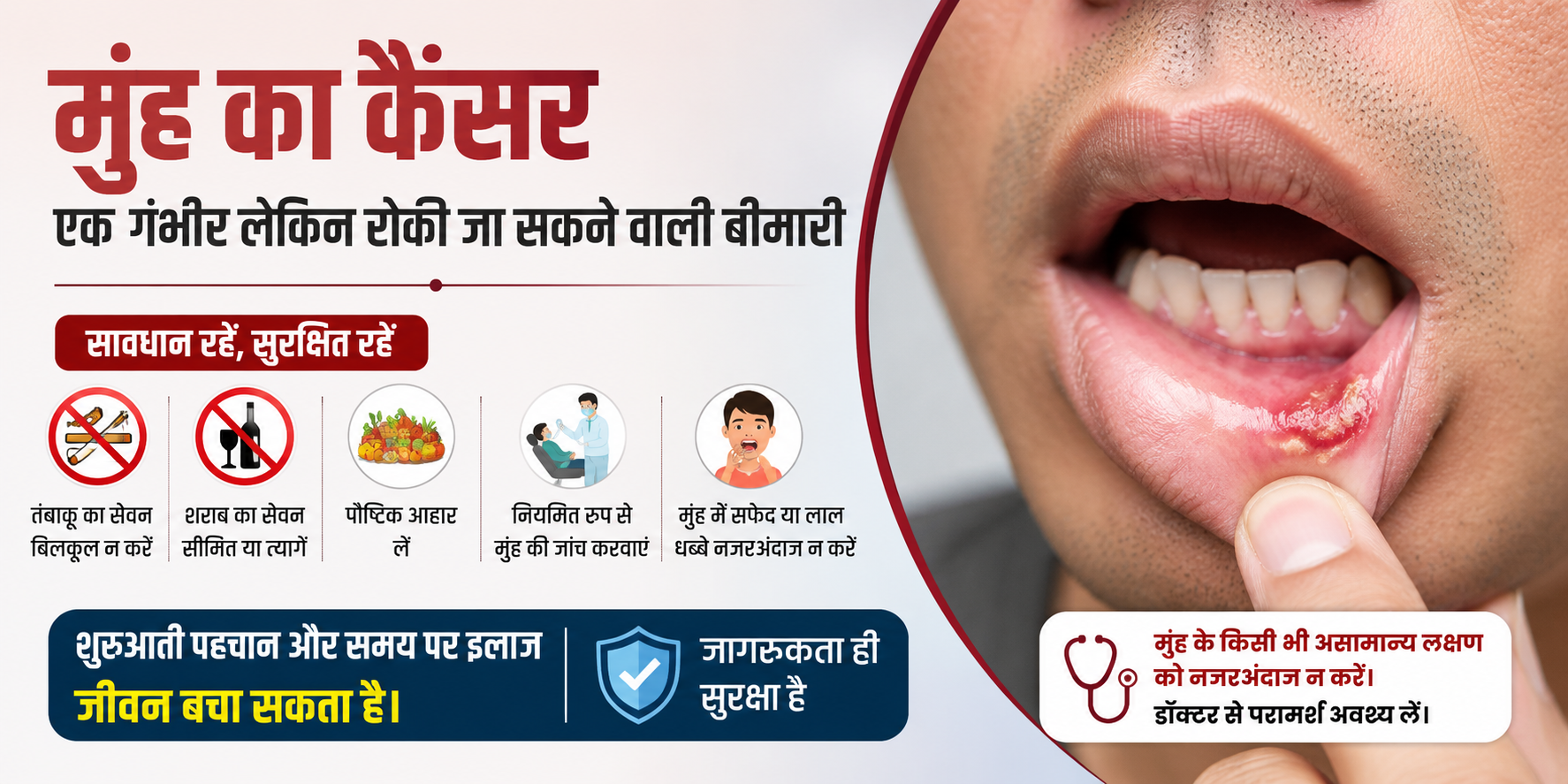
New Delhi, Date: (BFN Bureau): A troubling trend is emerging in the world of oncology. Young adults under 40, particularly non-smokers, are increasingly being diagnosed with advanced mouth cancer. This shift challenges long-held beliefs about the disease’s risk factors.
For years, the public health message has been clear: avoid smoking, heavy drinking, and tobacco to reduce your risk of oral cancer. However, doctors at Sakra World Hospital report a surge in cases among individuals who have never smoked or used tobacco products.
The Changing Reality Behind the Numbers
While tobacco remains the leading cause of oral cancers globally, a new demographic is emerging. Young, health-conscious individuals, especially women, are developing oral squamous cell carcinoma at alarming rates. These tumors tend to be more aggressive and have a higher recurrence rate compared to those in older smokers.
4 Hidden Triggers We Need to Talk About
With smoking out of the picture, experts are investigating other potential causes. One significant factor is the Human Papillomavirus (HPV), particularly the high-risk HPV-16 strain. This virus can alter DNA in the mouth’s lining, leading to cancer over time.
Additionally, chronic dental issues, immune system weaknesses, and poor diets lacking antioxidants contribute to this rising trend. Young non-smokers often ignore early warning signs, mistaking them for minor issues, which allows the disease to progress.
What This Means For You
Awareness is crucial for young adults. Understanding the risk factors and recognizing early symptoms can lead to timely medical intervention. Regular dental check-ups and a healthy diet can significantly reduce the risk of developing mouth cancer.
Key Takeaways
- Non-smokers under 40 are increasingly diagnosed with mouth cancer.
- HPV, dental trauma, and poor immune health are key risk factors.
- Early detection is vital; any persistent mouth sore should be evaluated by a doctor.

